The Real Lifestyle Habits of Japanese People
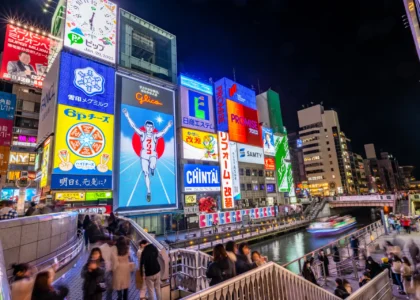
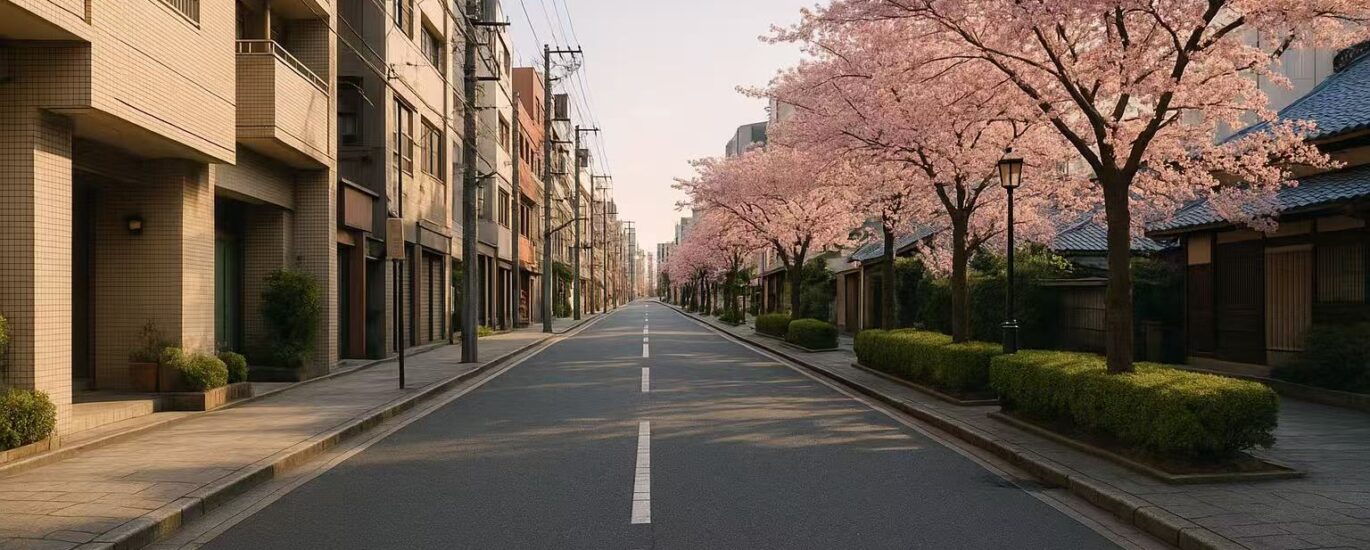
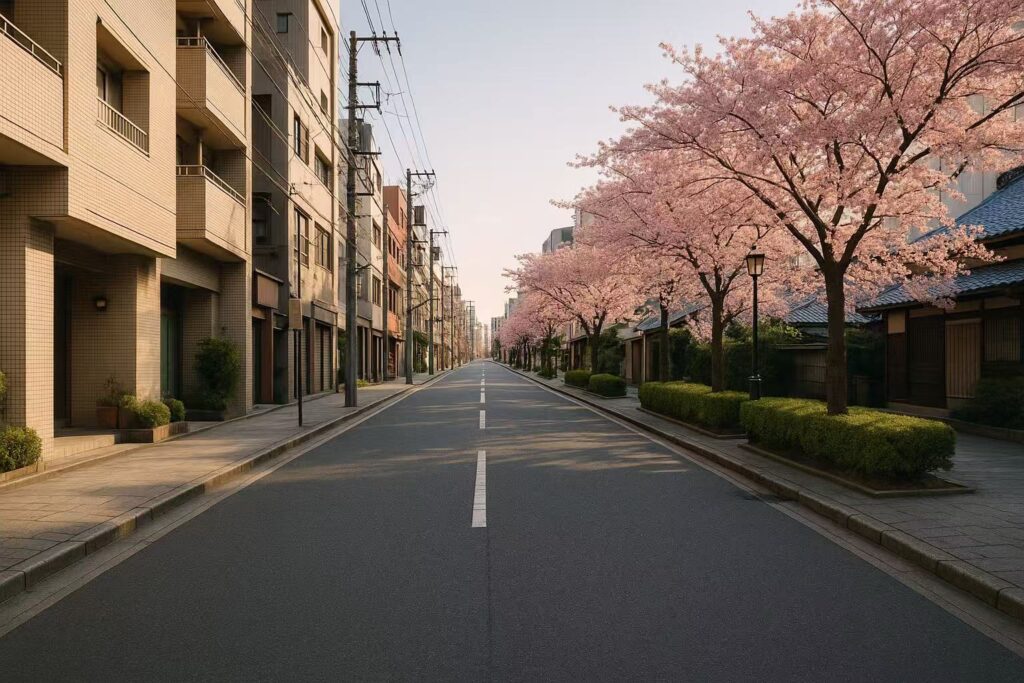
For many first-time visitors to Japan, one of the most striking impressions is how incredibly clean the country is. The streets are spotless, public toilets are odor-free, subway stations are tidy, and even the back alleys look well-kept. The most surprising part? You’ll hardly see any trash bins!
So why is Japan so clean? The answer goes far beyond the work of cleaning staff — it’s deeply rooted in the country’s culture, values, and habits formed from a young age.
1. Education: Cleanliness as a Virtue
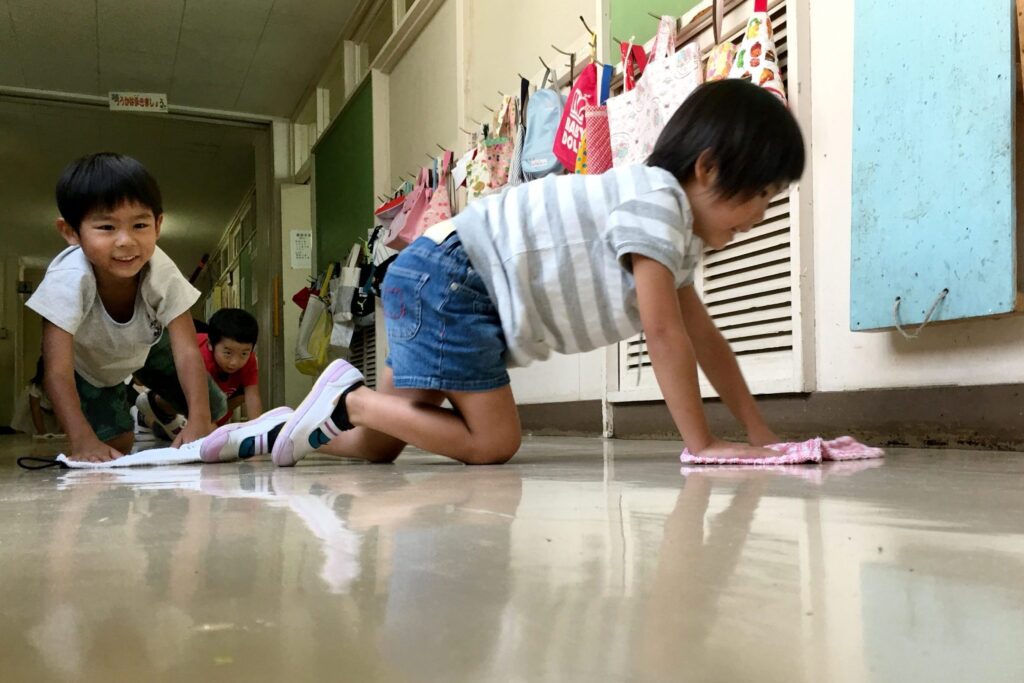
In Japan, children are taught from kindergarten that cleanliness is a shared responsibility. They clean their own classrooms, cafeterias, and even the school toilets. This early education fosters a mindset that maintaining public spaces is everyone’s duty.
Most schools in Japan don’t hire janitors — students take turns to clean. As they grow up, they carry this sense of responsibility into adulthood and continue to keep shared spaces clean even without being told.
2. “Don’t Cause Trouble” Culture: Take Your Trash Home
A core value in Japanese society is not causing trouble for others (“meiwaku o kakenai”). That’s why many people carry their trash home when they’re out, instead of throwing it away carelessly.
This is also why public trash bins are rare — not because the government is neglectful, but because most people don’t need them.
3. Clear Rules in Public Spaces, Strictly Followed
Whether in train stations, shopping malls, or parks, you’ll always find clear signage for waste separation. Japanese people are known to strictly follow these rules, even folding up their trash bags neatly before disposal.
This is the result of years of ingrained social discipline and a strong sense of public etiquette.
4. Respect for Cleaners: A Profession with Honor
In Japan, cleaning staff are not looked down upon. They wear clean uniforms, protective gear, and approach their work with pride and professionalism. The society treats them with the respect they deserve.
When a society respects those who do the “dirty work,” it naturally learns to appreciate cleanliness even more.
5. Everyday Habits: Cleanliness in Every Corner
You may notice how people remove their shoes before entering homes, how eating on public transport is frowned upon, and how even takeaway food is immaculately packaged. In traditional places like shrines and temples, daily cleaning is part of the ritual.
In Japan, cleanliness isn’t just about hygiene — it reflects respect for the environment, others, and oneself.
A Clean Japan Reflects a Nation’s Mindset
Japan’s cleanliness doesn’t come from fines or strict laws — it comes from deeply embedded habits and self-discipline.
While we may not be able to fully replicate Japan’s system, there are lessons we can all take away:
✅ Don’t litter
✅ Respect public spaces
✅ Start with ourselves
Next time you visit Japan, pay attention to the little details around you — you’ll gain a deeper understanding that:
Cleanliness is a daily commitment, not a one-time effort.
Money Matters: Cash vs. Card in Japan – What Tourists Need to Know