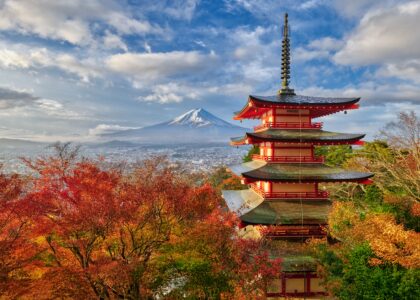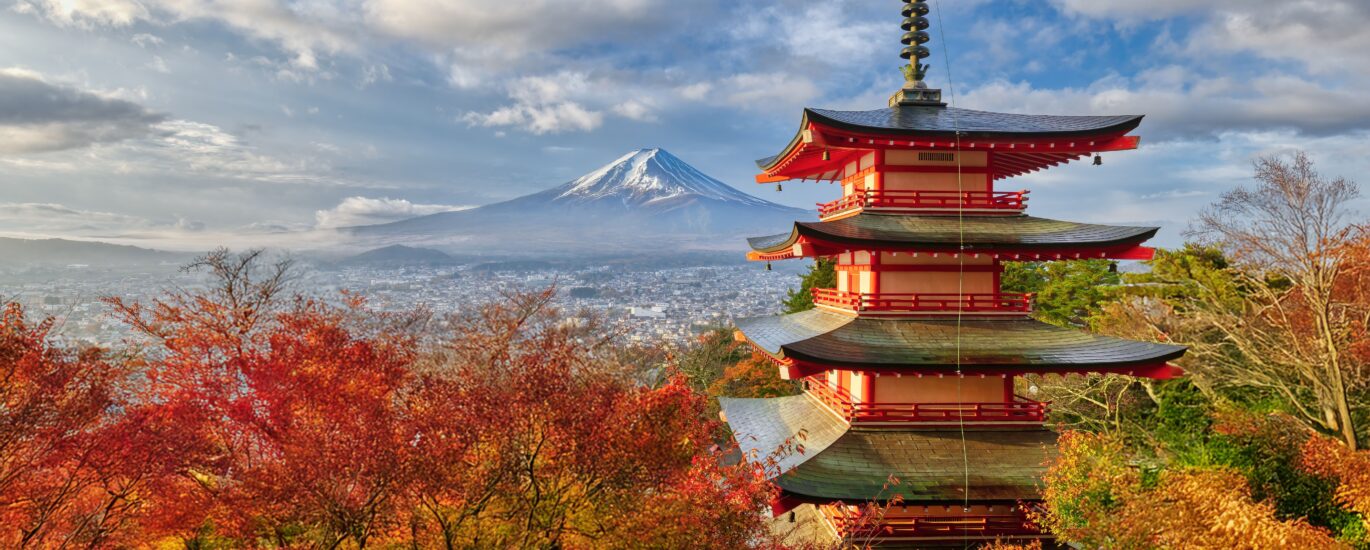
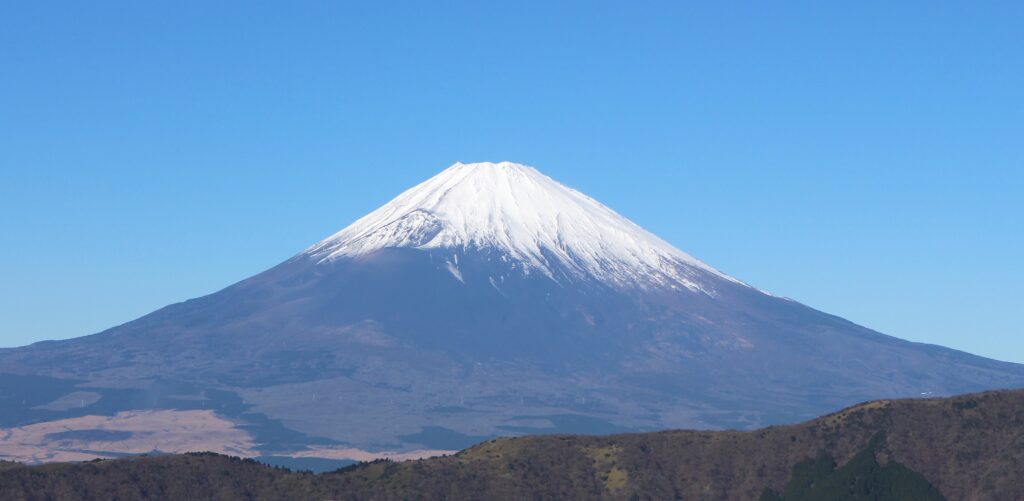
Seeing Mount Fuji is on many travelers’ bucket lists when visiting Japan. However, the mountain doesn’t appear clearly every day. Even if the weather forecast says it’s sunny, that doesn’t always mean you’ll enjoy a perfect view.
To increase your chances of seeing Japan’s most iconic mountain, it’s important to check not only the weather but also Fuji visibility, cloud coverage, and the best viewing time.
Here’s everything you need to know before your trip.
Why Can’t You See Mount Fuji on a Sunny Day?
At 3,776 meters, Mount Fuji is Japan’s tallest mountain.
Because of its elevation, weather conditions around the summit can change rapidly. Humidity, wind direction, cloud formation, and air clarity all affect Fuji visibility.
This means that even if it’s sunny in Tokyo, Lake Kawaguchi, or Lake Yamanaka, Mount Fuji may still be hidden behind clouds.
To improve your chances of seeing the mountain, don’t rely on the weather forecast alone. It’s also important to check:
- Fuji visibility
- Cloud coverage
- Air clarity
- Live webcam images
- Local weather conditions
Best Seasons for Fuji Visibility
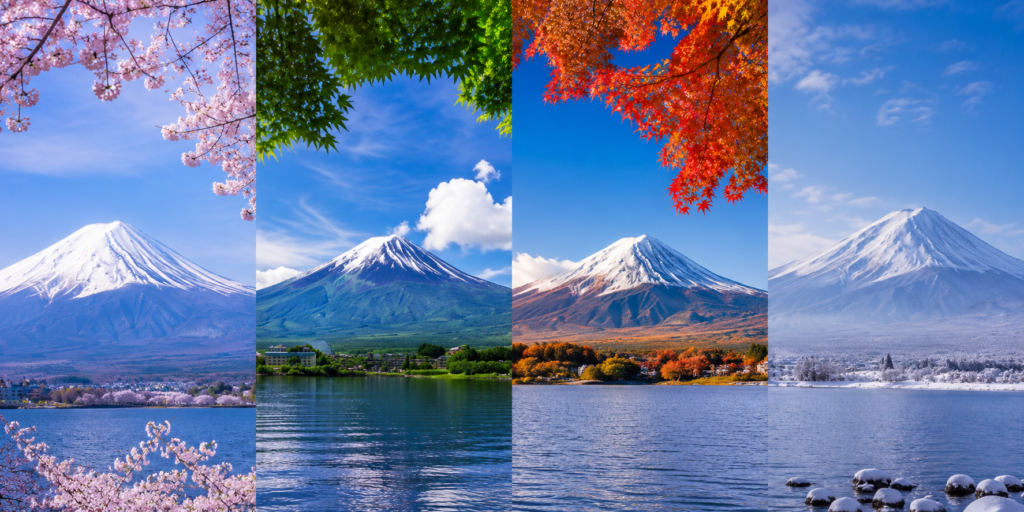
Winter (November – February) ★★★★★
Winter offers the best Fuji visibility of the year.
Cold temperatures and low humidity create crystal-clear skies, making it the easiest season to see Mount Fuji in all its glory. If you’re hoping to photograph the famous snow-capped peak against a blue sky, winter is the ideal time to visit.
Spring (March – May) ★★★★☆
Spring is one of the most beautiful seasons, especially when cherry blossoms bloom with Mount Fuji in the background.
Morning visibility is generally better, as mist and haze tend to develop later in the day.
Summer (June – August) ★★☆☆☆
Summer is the most challenging season for Fuji visibility.
High humidity and the rainy season often bring thick clouds that cover the mountain. Even on days without rain, moisture in the air can prevent clear views.
Autumn (September – October) ★★★★☆
As temperatures cool, the air becomes clearer and drier.
From late October onwards, Fuji visibility improves significantly, making autumn another excellent season for sightseeing and photography.
What Time of Day Has the Best Fuji Visibility?
The answer is simple:
The earlier, the better.
Early mornings usually offer the clearest views because:
- The air is cleaner.
- Cloud formation is minimal.
- Lighting is softer for photography.
- Clouds tend to build up during the afternoon.
If possible, arrive at your viewing location before 9:00 AM for the highest chance of seeing Mount Fuji.
How to Check Fuji Visibility Before Your Trip
Many travelers only check a weather app before heading out, but that’s often not enough.
For the most accurate conditions, check:
- Weather forecast
- Fuji visibility forecast
- Cloud coverage
- Live Mount Fuji webcams
- Air visibility conditions
Checking all of these together can greatly improve your chances of seeing the mountain.
Best Places to View Mount Fuji
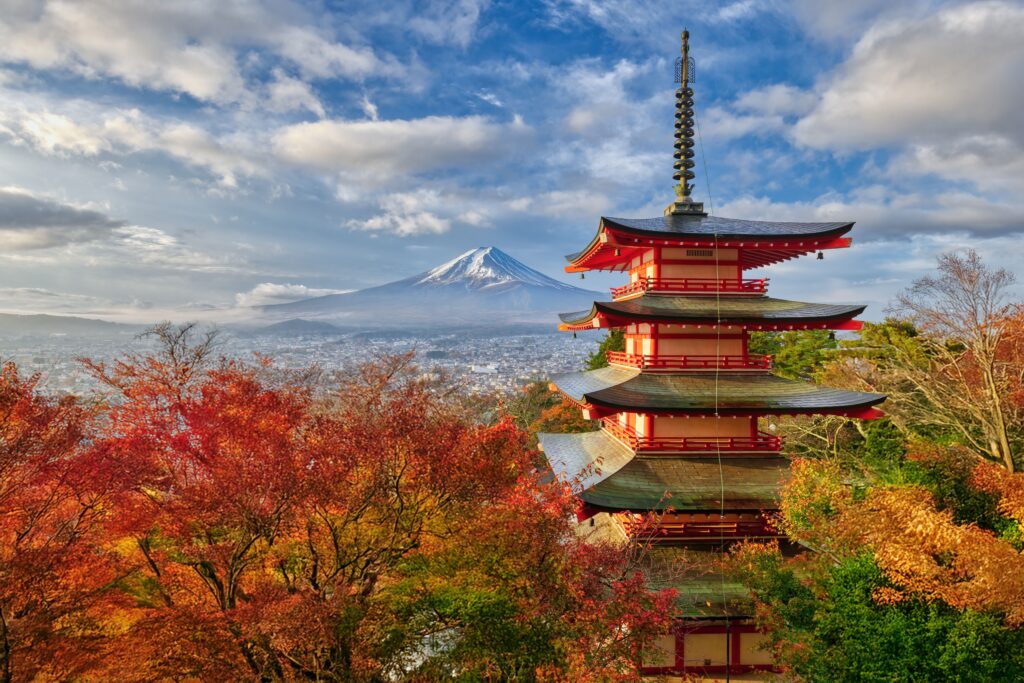
When Fuji visibility is good, these are some of the most popular viewing spots:
- Lake Kawaguchi
- Lake Yamanaka
- Chureito Pagoda
- Oshino Hakkai
- Lake Motosu
- Selected viewpoints in Hakone
Each location can experience different weather conditions, so choosing your destination based on the day’s Fuji visibility is recommended.
Does Sunny Weather Guarantee You’ll See Mount Fuji?
Unfortunately, no.
Mount Fuji has its own mountain climate, and cloud conditions can change within minutes. A perfectly clear mountain may suddenly disappear behind clouds shortly afterward.
That’s why checking Fuji visibility before you leave is just as important as checking the weather forecast.
Plan Ahead for the Best Fuji Visibility
If you’re planning to visit Lake Kawaguchi, Lake Yamanaka, Oshino Hakkai, Chureito Pagoda, or other Mount Fuji attractions, always check the latest Fuji visibility before setting off.
By choosing the right season, arriving early in the morning, and monitoring visibility conditions, you’ll greatly increase your chances of experiencing one of Japan’s most breathtaking natural landmarks.